Thinking about adding more space or income on your Holly property? An accessory dwelling unit can be a smart, flexible way to house family, host guests, or create rental revenue on the lot you already own. The rules, costs, and timeline can feel complex, especially on older inner‑city parcels. In this guide, you’ll learn how ADUs work in Austin, what to expect for permits and utilities, realistic cost ranges, common use cases, and a step‑by‑step checklist to move from idea to plan. Let’s dive in.
What an ADU means in Austin
An accessory dwelling unit is a secondary, smaller home on the same lot as your primary house. In Austin, you’ll see several forms:
- Internal or conversion ADU: You convert part of your existing home into a separate unit.
- Attached ADU: You build an addition that connects to the main house, such as above a garage.
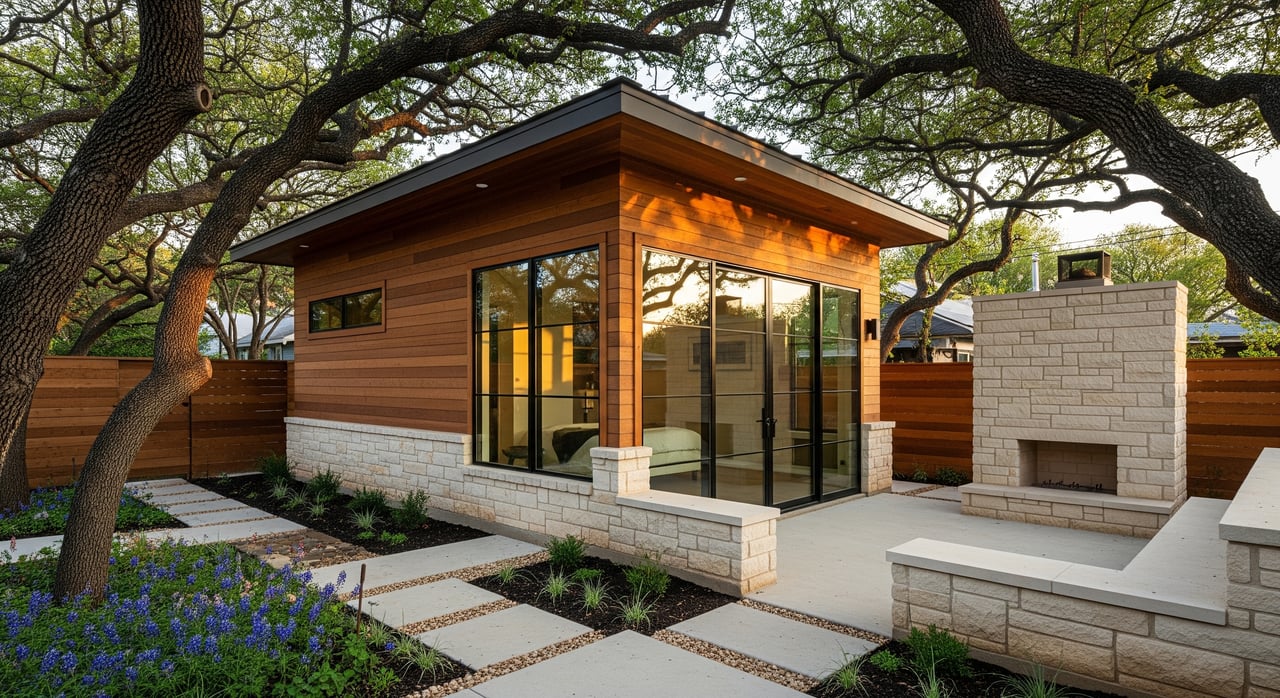
- Detached ADU: You build a small, separate cottage or convert a garage into a standalone unit.
- Garage apartment or build‑over: You add a unit over an existing garage or rework the garage footprint.
ADU allowances depend on your lot’s zoning and development standards. Austin sets limits for size, height, setbacks, and lot coverage. Numeric caps vary by parcel, so confirm specifics with the City of Austin before you draw plans.
Why ADUs fit Holly
Holly sits near central Austin with a mix of older homes, alleys, and strong rental demand. Many lots are sized and configured for internal conversions, attached additions, or small backyard cottages. On narrow or smaller parcels, a creative layout, alley access, and careful placement can make an ADU feasible without overwhelming the site.
Permitting basics in Austin
Zoning and lot eligibility
Your ability to build an ADU depends on your base zoning. Single‑family residential zoning commonly permits ADUs, but lot size, lot coverage, and maximum unit size still apply. Some cities cap ADUs around 800 to 1,200 square feet as a general example, while Austin uses its own numbers. Verify your parcel’s zoning and standards before you invest in design.
Setbacks, height, and placement
Setbacks and height limits shape where a detached ADU can go. Rear yards are common locations, and alley access can simplify placement. Internal conversions or attached additions often face fewer placement constraints.
Parking and access
Austin has adjusted parking requirements for ADUs in recent years. Some lots near transit or within certain policies may qualify for parking exemptions. Since rules evolve, check the current requirements for your specific parcel. On‑street parking and alley access can be helpful site features.
Utilities and meters
- Water and sewer: A new detached ADU may connect to existing lines or may need a new tap, depending on Austin Water standards. Inspections will confirm line sizes, cleanouts, and meter needs.
- Electric: Austin Energy may allow a separate meter or sub‑metering. Many rental owners prefer separate metering for billing clarity. You may need a panel upgrade.
- Gas and HVAC: Expect permits for new fuel gas lines and mechanical systems.
Permits, plan review, inspections
Plan on building, electrical, plumbing, and mechanical permits, plus tree protection or irrigation permits if needed. Plan reviewers check structure, egress, insulation, energy code, and plumbing capacity. Inspections occur in stages from foundation to final occupancy.
Site constraints and overlays
In Holly, large protected trees, backyard utility easements, and any historic or conservation overlays can affect design and placement. Tree rules can block certain locations or add mitigation costs. Overlays may require additional review and compatibility standards.
Short‑term rental rules
If you plan to use the ADU as a short‑term rental, Austin’s STR rules apply, including possible registration and occupancy caps. Long‑term rentals are usually simpler but still must follow city and any HOA rules.
What it costs in Holly
ADU costs vary with size, finishes, access, trees, utility upgrades, and overlays. Here are realistic ranges in Austin as of 2023 to 2024:
- Internal conversion: about $30,000 to $120,000 based on kitchen and bath scope, structure, and finishes.
- Attached ADU: about $120,000 to $350,000+, driven by structural tie‑ins and size.
- Detached ADU, 300 to 800 sq ft: about $120,000 to $400,000+ depending on site work, foundation, and utilities.
- Garage conversion: about $40,000 to $150,000, depending on condition and systems.
High‑end builds or complex sites can exceed these ranges in tight markets like Austin.
Soft costs and fees
- Design and engineering: roughly 5 to 12 percent of construction for architecture and design, with 1 to 3 percent extra for structural or MEP as needed.
- Permits and impact fees: several thousand dollars, based on valuation and scope.
- Survey and research: about $500 to $3,000.
- Tree mitigation: varies, and can add several thousand dollars or require redesign.
Utility‑specific costs
- Electric service: allow roughly $1,500 to $15,000+ for panel upgrades, trenching, or a separate meter.
- Water and sewer: fees vary by tap size and site conditions. Some ADUs share existing services, others need new connections and inspections.
- Septic: rarely relevant in Holly since most parcels connect to city sewer.
Holly cost drivers
Small lot footprints can limit staging and raise labor time. Mature trees and narrow alleys can increase site prep and delivery complexity. Overlays or added reviews can expand design time and soft costs.
Common ADU use cases
- Multi‑generational living: A private space for parents or adult children, with lifestyle value first.
- Long‑term rental: Predictable monthly income that can improve cash flow and resale appeal.
- Short‑term rental: Potentially higher nightly revenue, with more management and specific city rules.
- Home office or studio: Flex space that boosts everyday utility, attractive to future buyers.
- Sale premium: A well‑designed, code‑compliant ADU can improve marketability in neighborhoods with rental demand.
Holly lot examples to guide feasibility
Archetype A: Narrow lot, about 3,000 to 4,500 sq ft
- Most feasible: an internal conversion, an attached addition, or a very small detached unit if setbacks allow.
- Constraints: rear yard depth, tree protection, and limited alley access.
- Budgets to expect: a studio conversion around $40,000 to $100,000. A small 400 sq ft detached unit around $150,000 to $260,000 if utilities are straightforward.
Archetype B: Typical small single‑family lot, about 5,000 to 7,000 sq ft
- Most feasible: a small detached cottage, an attached addition, or a garage conversion.
- Advantages: easier setbacks and possible alley access.
- Budgets to expect: a 600 sq ft detached unit around $160,000 to $320,000. Garage conversions often $50,000 to $140,000.
Archetype C: Larger or corner lot, 7,500+ sq ft
- Most feasible: a larger detached ADU or two‑story design if allowed by current code.
- Considerations: more options for parking and access, with attention to height and lot coverage.
- Budgets: higher total cost but sometimes similar cost per square foot.
Estimating ROI in simple steps
A quick framework helps you test feasibility:
- Estimate build cost (C) and expected monthly rent (R) for your ADU type.
- Project annual rent as 12 × R × occupancy rate. Many long‑term rentals use 90 percent as a test.
- Subtract operating costs. A simple rule of thumb is 20 to 40 percent of gross rent.
- Compare net annual rent to your build cost for a simple payback. For financing, look at cash‑on‑cash and cap rate.
- Factor in higher assessed value for property tax and any management costs if you plan to hire help.
Market rents around central Austin vary by size and finish level. Use comparable long‑term rental listings near Holly to refine your R number.
Timeline from idea to keys
- Feasibility and early consult: about 2 to 6 weeks.
- Design and permit plans: about 4 to 12 weeks.
- City plan review and permitting: about 4 to 16+ weeks, longer with overlays or complex sites.
- Construction: about 3 to 9 months, depending on size and scope.
From idea to move‑in, expect roughly 4 to 12 months, with internal conversions on the faster side.
Common obstacles to plan for
- Historic or neighborhood overlays that require extra design review and compatibility.
- Tree protection that limits placement or adds mitigation costs.
- Utility capacity and service upgrades for electric or water and sewer.
- Alley and staging constraints that affect logistics and deliveries.
- HOA or deed restrictions that can limit ADUs even when city code allows them.
Your Holly ADU checklist
- Confirm zoning, overlays, and setbacks for your parcel.
- Order a current survey. Mark easements, alleys, and tree locations.
- Contact Austin Water and Austin Energy early about connections and capacity.
- Ask an architect or ADU specialist to sketch a preliminary site plan.
- Check for any historic or conservation overlay reviews.
- Get rough quotes for three paths: conversion, attached, and detached builds.
- Review financing and how an ADU could affect appraisal and loan qualification.
- Gather permit documents, including your legal description and recent tax statements.
Ready to explore your options?
If you want a clear plan for your Holly property, I can help you scope the right ADU path, estimate rent potential, and align your project with your lifestyle and investment goals. From purchase decisions to leasing strategy and property management, you get concierge guidance backed by modern marketing resources. When you are ready, schedule your free consult with Christine Hsu.
FAQs
Do I need a separate electric meter for my Holly ADU?
- It depends on Austin Energy rules and your billing preference. Separate meters are common for rentals, but some owners choose sub‑metering. Confirm during early feasibility.
How long does ADU permitting take in Austin?
- Plan for 1 to 4 months for plan preparation and 1 to 4 months for city review, with overlays and complexity adding time.
Will my property taxes go up if I add an ADU in Travis County?
- Adding square footage and value can increase your assessed value. Check with the local appraisal district for the latest process and impact.
Can I rent my Holly ADU as a short‑term rental?
- Possibly, but Austin’s short‑term rental rules are specific and may require registration and occupancy limits. Review the most current rules before you invest.
What is a realistic budget for a small detached ADU in Holly?
- Many 300 to 800 sq ft detached ADUs fall in the $120,000 to $400,000+ range, with site access, utilities, and finishes driving variance.
How do alleys and trees affect ADU placement in Holly?
- Alleys can ease access and parking. Large protected trees can limit building locations or require mitigation. A survey and early tree review save time and cost.