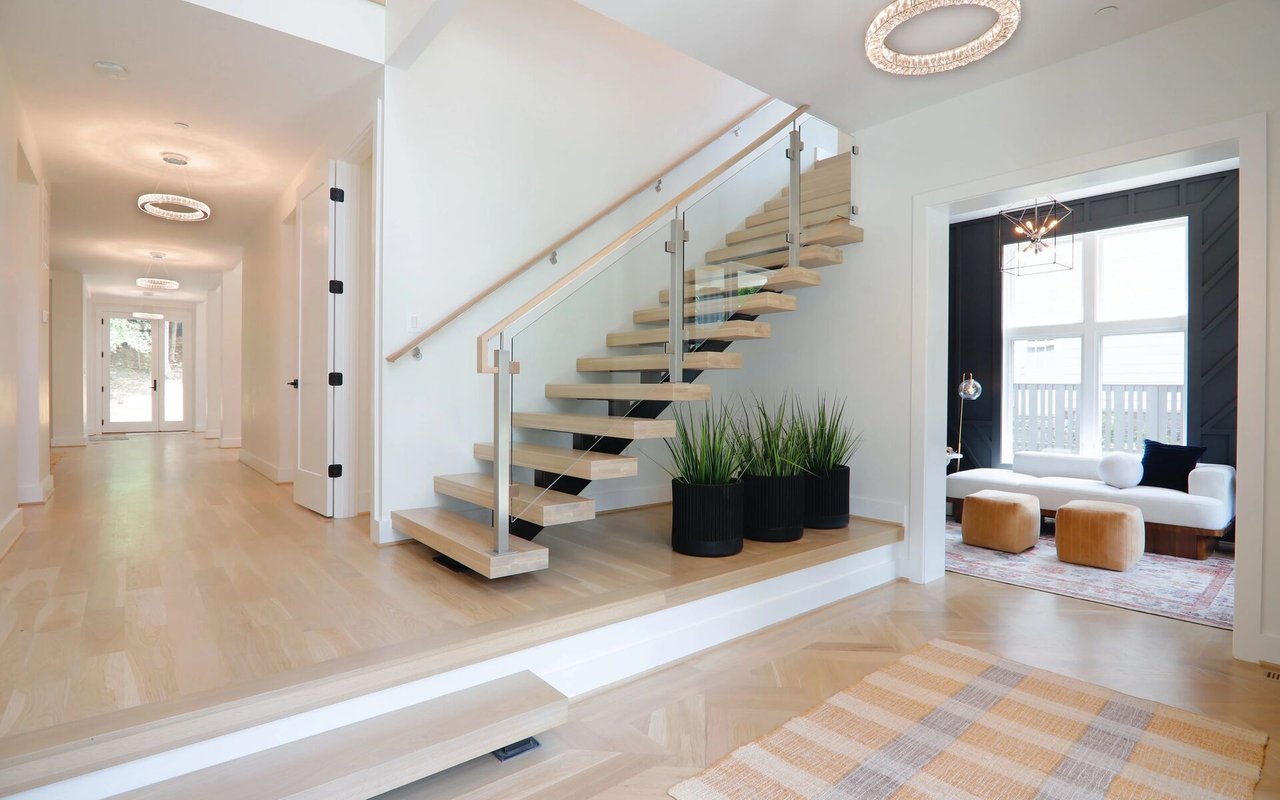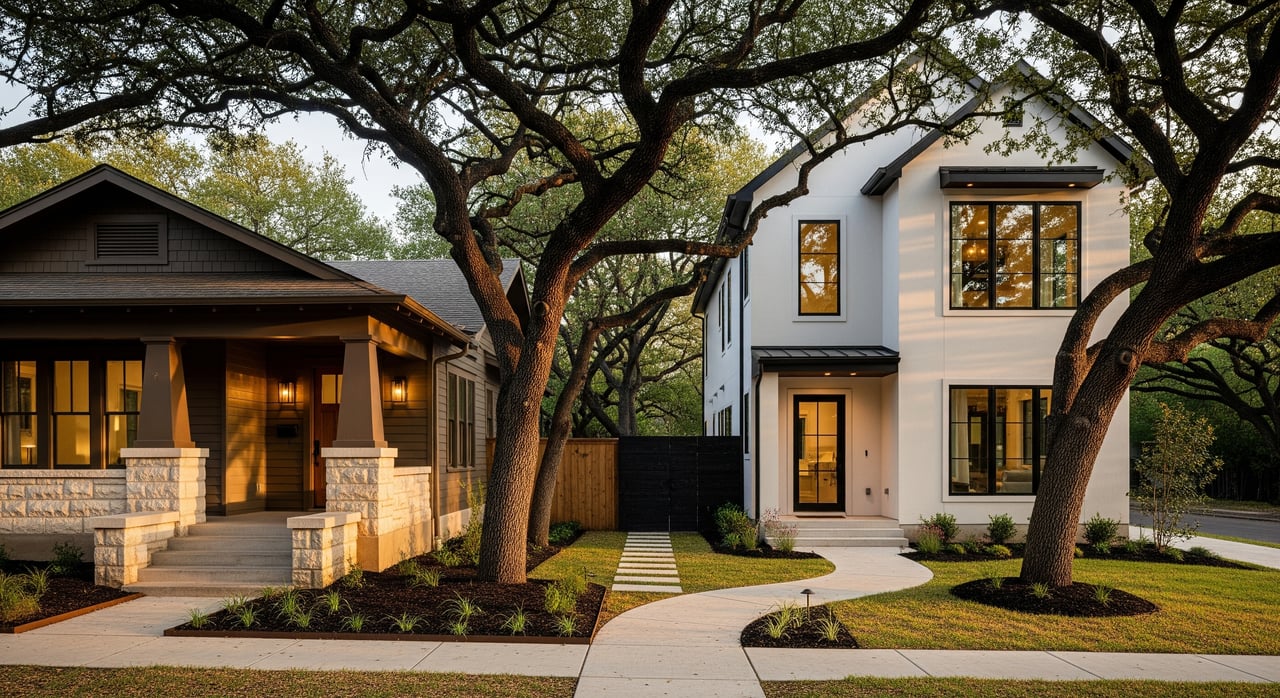
Torn between a sleek new build and a mid‑century bungalow in Allandale? You are not alone. Buyers here often weigh character, space, and convenience on the same block. This guide walks you through the real tradeoffs, with practical checklists you can use on tours, plus a decision framework to match your lifestyle, budget, and timeline. Let’s dive in.
Allandale at a glance
Allandale sits in northwest‑central Austin and blends 1950s–1970s bungalows and ranch homes with a rising number of two‑story infill builds. You get a central location, mature trees, and walkable neighborhood conveniences with relatively short commutes to central Austin. Lots often run 6,000 to 10,000 square feet or more, which is larger than many newer subdivisions.
Some original homes have been stylishly updated. Others are candidates for renovation or a full tear‑down. Demand is steady because of location, so you will see a two‑track market: restored bungalows for character seekers and new construction for buyers prioritizing space and modern systems. For current pricing, days on market, and inventory, look to recent neighborhood sales through the Austin Board of REALTORS and the local MLS.
City rules also shape what is possible. Austin’s development code, tree protection requirements, and impervious cover limits influence costs and timelines for both remodels and new builds. Permit review and inspections add time, and large protected trees can control where and how you build.
New build vs bungalow: key tradeoffs
Upfront cost and short‑term spend
- New build
- You often pay a premium for a larger home, contemporary finishes, and modern systems on a valuable central lot. Soft costs such as permits, impact or connection fees, and builder overhead are baked into the price. A builder warranty can reduce near‑term risk, but coverage varies.
- Mid‑century bungalow
- The list price may be lower than a new build, but factor in renovation costs if you want updated systems or a new layout. Hidden costs may include foundation work, roof replacement, electrical and plumbing updates, or remediation for older materials. Get contractor bids before you decide.
Maintenance and lifecycle
- New build
- Expect lower maintenance for the first 10 to 15 years. New roofs, HVAC, windows, and finishes reduce early repairs. You still budget for landscaping, exterior upkeep, and annual service.
- Mid‑century bungalow
- Older systems may need replacement sooner. In Austin’s expansive clay soils, foundation movement is a known risk. Mature trees add shade and character, but they also require pruning and monitoring for health and root impacts.
Energy and comfort
- New build
- Modern insulation, tighter envelopes, efficient HVAC, LED lighting, and ENERGY STAR appliances usually mean lower baseline energy use. Some homes are solar‑ready or already include panels.
- Mid‑century bungalow
- Original thermal performance can be modest. Energy bills can improve with attic insulation, duct sealing, a heat pump upgrade, and high‑efficiency windows where feasible. Mature shade trees and smart orientation can also help with summer comfort.
- Local incentives
- Austin Energy frequently offers rebates for heat pumps, insulation, solar, and energy audits. These programs can shift the math in favor of upgrading an older home.
Lot, trees, and outdoor living
- New build
- Infill projects may maximize the building footprint, leaving less yard. Tree removal may have occurred to enable construction. Verify whether key trees were preserved and review final landscape plans.
- Mid‑century bungalow
- Allandale’s mature shade trees and established landscaping are a major draw. Trees cool the microclimate and define the neighborhood’s look. Large trees can also bring risks like root intrusion, branch failure, or removal restrictions under city rules. An arborist report is smart due diligence.
Resale appeal and marketability
- New build
- Appeals to buyers seeking open plans, larger bedrooms and baths, modern kitchens, garages, and minimal immediate maintenance. Some buyers dislike the larger scale or reduced yard, and contemporary styles can date faster.
- Mid‑century bungalow
- Strong draw for single‑story living, original details, and mature yards. Restored bungalows in prime spots often sell well. Layout constraints and smaller room sizes can limit the buyer pool.
Which buyer are you?
Lifestyle priorities
- Do you value immediate move‑in convenience and space, or historic character and a shaded yard? If a turnkey experience is your top priority, a new build may fit best. If you love single‑story living and charm, a bungalow could be the match.
Renovation tolerance
- If you enjoy managing projects and customizing finishes over time, an older home can reward your effort. If you want predictability and less time managing contractors, lean toward new construction.
Ownership timeline
- Shorter horizons of 3 to 7 years often favor turnkey new builds with lower near‑term maintenance. Longer ownership can make bungalow upgrades and energy improvements pay off.
Space vs yard
- New builds often deliver more interior square footage. Bungalows tend to preserve more yard and mature trees. Decide where you want your space: inside, outside, or a balance of both.
Total cost of ownership checklist
Use this list to compare apples to apples.
- Purchase price compared with recent comps
- Immediate repairs or renovation budget for a bungalow, based on written bids
- Replacement timeline for roof, HVAC, windows, and potential foundation work
- Annual maintenance and landscaping costs
- Expected energy bill differences, plus the impact of any Austin Energy rebates
- Property tax considerations, including how new construction may affect assessed value
- Projected resale value based on local comps for both restored bungalows and new infill nearby
Tours and inspections checklist
Universal checks for any home
- Street and lot context: noise, traffic, sidewalks, lighting, and access to daily needs
- Flood and drainage: verify floodplain status and observe on‑site drainage patterns
- Orientation and shade: where the sun hits in summer versus winter, and tree cover
- Parking and storage: driveway condition, garage size, and storage options
- Utilities and capacity: water and sewer connections, and electrical service suitable for EV charging or solar
Bungalow‑specific items
- Structure and foundation: sloped floors, door and window binding, or stair‑step cracks. If you see signs of movement, consult a structural engineer.
- Roof and attic: roof age, ventilation, insulation depth, and any signs of leaks or rot.
- Mechanical and plumbing: HVAC age and type, presence of outdated electrical components, and plumbing material and condition.
- Environmental and pests: potential for lead‑based paint in pre‑1978 homes, asbestos in older components, and any termite activity. Order a wood‑destroying insect report.
- Yard and trees: root proximity to the foundation, drainage, and irrigation needs.
- Interior character: original hardwoods and built‑ins, and how well a modern kitchen or bath can integrate with them.
New build‑specific items
- Builder quality and warranty: builder reputation, warranty coverage, and recent client references.
- Grading and drainage: positive slope away from the foundation, no standing water, and stormwater control.
- Construction details: insulation levels, sealed ducts, window specs, exterior flashing, and termite pretreatment.
- Landscaping and privacy: what is included, whether mature trees were removed, and fencing plans.
- Systems readiness: electrical panel capacity for EV charging or solar, and any pre‑installed conduit for future PV.
Specialists to hire before you commit
- Licensed home inspector for a full review
- Structural engineer if any foundation red flags appear
- Termite and wood‑destroying insect specialist
- Sewer scope for older lines
- HVAC and electrical specialists for system deep dives
- Certified arborist to assess large trees and root impacts
- Energy audit for older homes if efficiency is a priority
Regulations and local resources to know
Your plans may be shaped by city rules and site conditions. Expect tree protection requirements, impervious cover limits, zoning setbacks, height limits, and review timelines to influence feasibility and cost. For clear next steps, review applicable permits and approvals with Austin’s Development Services. If you consider a tear‑down, confirm tree removal permits and grading or drainage approvals early. For renovations, understand what triggers plan review and whether utilities need upgrades.
To ground your decision, consult these sources:
- City of Austin Development Services for permits, tree rules, and code
- Austin Energy for rebates on heat pumps, insulation, solar, and energy audits
- Travis Central Appraisal District for property records and tax history
- Austin Board of REALTORS and the local MLS for current comps and sales trends
- FEMA or local floodplain maps for property‑specific flood risk
How I help you decide
You do not have to tackle this alone. I bring hyperlocal Allandale knowledge, a calm, consultative process, and a practical playbook for comparing homes side by side. I help you price total cost of ownership, line up inspections, and connect you with trusted engineers, arborists, and contractors who understand Austin’s soils, trees, and codes.
If you plan to sell a bungalow or a newer home, I also offer concierge‑level marketing with professional staging, photography, and targeted distribution through Compass. That way you position your property for the right buyer segment, whether they value character or modern convenience.
Ready to walk through options and see what truly fits your life? Reach out to schedule a tour plan and a side‑by‑side comparison tailored to you. I am here to make the decision clear and confident.
Looking for a thoughtful, guided process from first tour to closing? Connect with Christine Hsu for a free concierge consultation.
FAQs
What should Allandale buyers compare when choosing new build vs bungalow?
- Focus on total cost of ownership, including purchase price, near‑term repairs, 5 to 10 year capital items, energy costs, and expected resale based on local comps.
How do Austin’s tree rules affect buying in Allandale?
- Protected trees can limit where you build or expand and may require permits for removal. Order an arborist report and review city requirements early in your timeline.
Are Allandale bungalows expensive to maintain compared with new builds?
- Older systems can add costs for HVAC, roof, or foundation work, but energy upgrades and rebates can help. New builds usually have lower near‑term maintenance but still need routine care.
Do new builds in Allandale reduce yard space?
- Many infill homes maximize interior square footage, which can reduce yard size. If outdoor space and shade matter to you, compare lot coverage and preserved trees on each property.
How can I estimate energy costs for an older Allandale home?
- Start with an energy audit, check attic insulation and duct sealing, and price a heat pump upgrade. Ask about Austin Energy rebates that can lower project costs and future bills.
What inspections are essential for a mid‑century bungalow in Allandale?
- Order a full home inspection, structural engineer review if needed, termite report, sewer scope, and targeted HVAC and electrical checks. Add an arborist assessment for large trees.