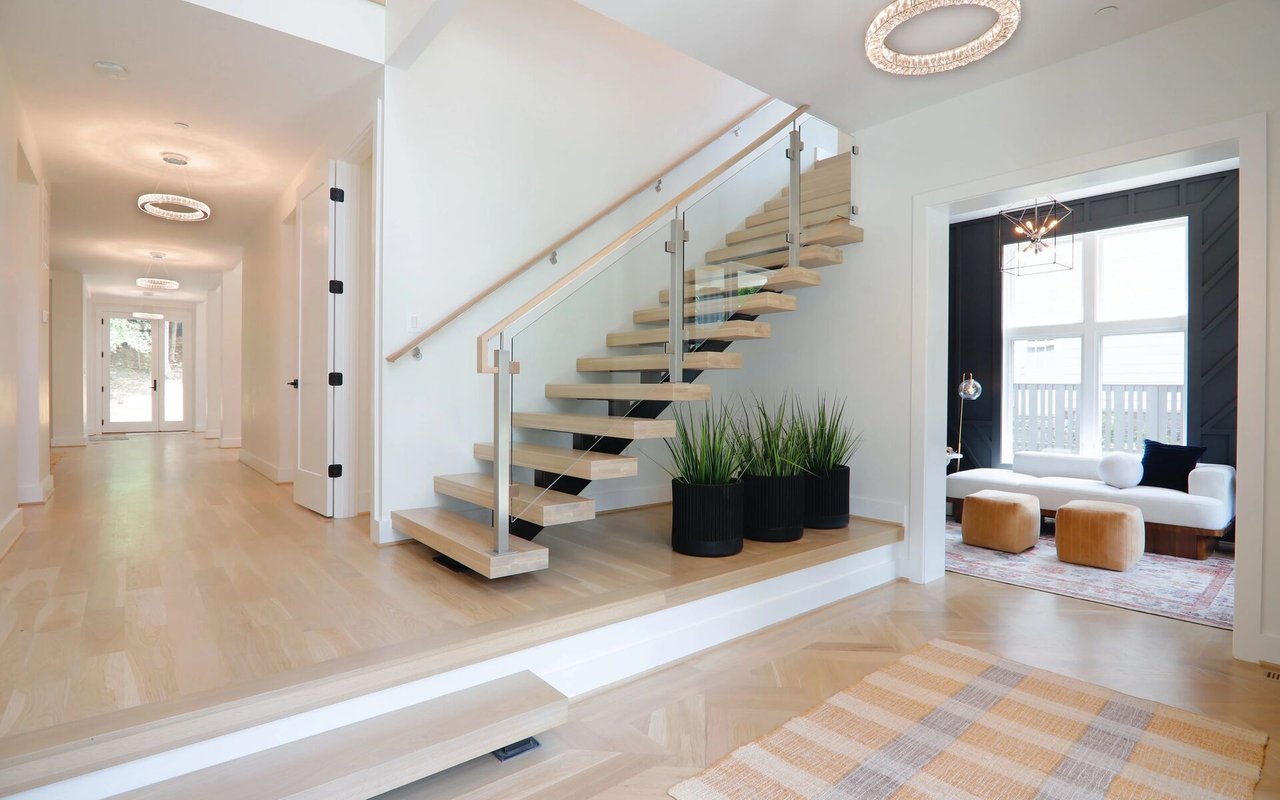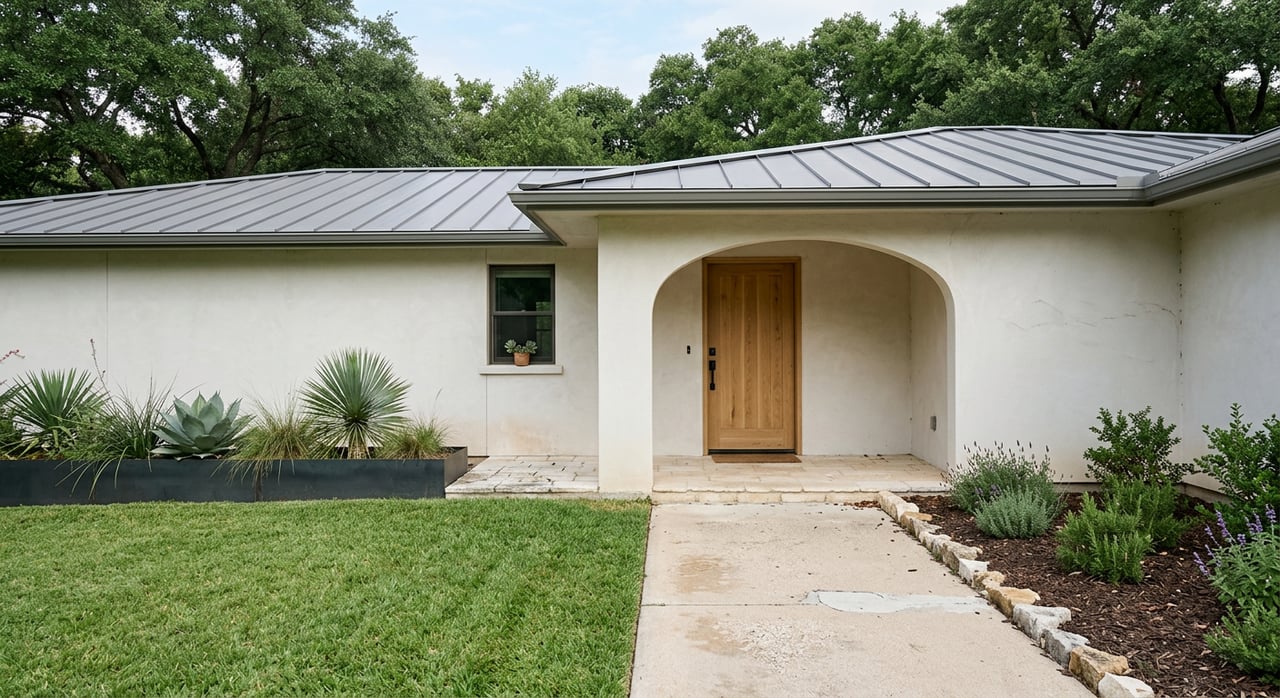
Eyeing a Bouldin Creek home and wondering how to stand out without overpaying? You are not alone. In 78704, some listings sit while the special ones still draw quick attention. In this guide, you will learn how to read the market, structure a Texas offer that sellers trust, and choose the right tactics for modern infill versus classic bungalows. Let’s dive in.
Read the Bouldin Creek market
Before you choose offer tactics, ground your plan in what the data says today. In 78704, the median sale price is about $850,000 with a median of roughly 125 days on market and a sale-to-list ratio near 95.5 percent (Redfin, February 2026). That means the ZIP is not uniformly frenzied, but well-priced, well-staged homes on desirable blocks can still draw multiple offers fast.
At the Austin metro level, recent coverage points to more inventory and rising pending activity compared with the weakest months of 2025, which tilts some bargaining power toward buyers in select niches. Still, micro-markets are what matter. Confirm if a home is “hot” by checking days on market, list price history, condition, and the seller’s timing. For neighborhood context, Bouldin Creek offers central access near South Congress and Lady Bird Lake, with a mix of vintage bungalows and contemporary infill that affects comps and inspections. For overlay or conservation questions, review local resources through the neighborhood association.
- Explore recent metro trends: Austin market coverage
- Neighborhood resources: Bouldin Creek Neighborhood Association
Get offer-ready before you tour
Sellers and listing agents move quickly when a strong buyer appears. Position yourself so your offer lands clean and fast.
- Secure a written pre-approval, ideally a pre-underwritten approval that names the loan program and amount. Lenders can also outline realistic appraisal and closing timelines so you can write tighter deadlines. Learn typical close times here: how long closings take.
- Prepare proof of funds for your earnest money and down payment. Clear statements help the seller trust your ability to perform.
- Pull local comps matched by property type, lot size, bedrooms, GLA, and condition. For modern infill with fewer direct comps, expand the lookback window and use paired-sales or analytical tools that appraisers rely on. See how appraisers think about data and adjustments: data tools for appraisers.
- Pre-book inspectors. If you want a short option period, confirm availability for a general inspection plus specialists for older homes, like foundation, sewer scope, HVAC, and termite.
Structure a strong Texas offer
Your strength in Texas flows through a few key levers: the option period and fee, earnest money, financing and appraisal terms, and the closing timeline. Each one signals seriousness without necessarily increasing price.
Option period and fee
Texas contracts give you a negotiated inspection window called the option period. If you pay the agreed option fee and send timely written notice, you may terminate during that period for any reason. The option fee and earnest money are typically due to the escrow agent within 3 days of the effective date unless you write another deadline. If the option fee is not paid on time, you usually do not have the unrestricted right to terminate. Review TREC’s guidance on timing here: option and earnest delivery rules.
How to look strong in 78704:
- Offer a shorter option period, for example 3 days, with a fair option fee. If you need a bit more time, consider a higher fee to compensate the seller.
- Have inspectors queued so you can act fast within a short window.
Earnest money
Texas practice expects earnest money that is delivered on time to the named escrow agent per the contract. There is no mandated percentage, but 1 to 2 percent of the purchase price is a common baseline. Higher earnest money on highly competitive listings can signal confidence. Whatever you choose, deliver it on time to comply with TREC deadlines. See TREC timing guidance here: option and earnest delivery rules.
Quick math example: 1 percent on an $850,000 purchase is $8,500.
Financing and appraisal terms
Most financed offers in Texas include the Third-Party Financing Addendum. This addendum sets your loan type and the deadlines for Buyer Approval and Property Approval. Shortening the Buyer Approval period, for example to 14 to 17 days when your lender allows it, helps your offer stand out. Review the form here: Third-Party Financing Addendum.
For appraisal, you can customize rights with the Addendum Concerning Right to Terminate Due to Lender’s Appraisal. Buyers and sellers can agree to keep full termination rights, partially waive up to a dollar cap, or fully waive. If your price may exceed likely appraised value, consider a partial appraisal-gap plan with a clear cash cap. See a published copy here: appraisal termination addendum.
Ask your lender if your file could qualify for value acceptance or an appraisal waiver under automated underwriting. Waivers are case specific and cannot be assumed. Learn more about eligibility: Fannie Mae value acceptance.
Closing timeline
Financed closings in Texas often take about 30 to 45 days, depending on your lender and title work. Cash can move much faster if title is clear. Use the closing date as a lever by matching the seller’s needs, either a short close or flexibility if they need time. For context on typical durations, see how long closings take.
When to use escalation or gap coverage
Escalation clauses
An escalation clause automatically increases your offer above a bona fide competing offer up to a cap. It includes your starting price, the increment, a maximum cap, and a method for verifying the competing offer. In 78704, use escalation selectively. Many listings will go to a clean, well-supported offer without an escalator, but if showings are brisk and the agent sets an offer deadline, an escalator can help you stay in the running without jumping too high too soon.
Best practices:
- Pick a clear step-up amount, for example $2,000 to $5,000, and a firm cap.
- Require redacted proof of the competing offer before escalation triggers.
- Pair with appraisal planning so your lender will still fund at the escalated price.
Appraisal gap strategies
If appraisal risk exists, you have two common tools:
- Appraisal gap coverage. You agree in advance to bring up to a stated dollar amount if the appraisal comes in short.
- Partial waiver. Use TREC’s appraisal addendum to limit exposure, for example you will close if the appraisal is within $X of price, otherwise you retain termination rights. See the form here: appraisal termination addendum.
Non-price terms that win
Price matters, but clean terms often separate the winning offer:
- Flexible closing date that matches the seller’s timing.
- Short seller leaseback with a clear daily rate if the seller needs time to move.
- Offer to cover certain closing or HOA transfer fees if the seller prefers a net number.
- Larger earnest money and a timely option fee with a shorter option period.
Quantify each term’s cost in dollars and days so you know what you are offering.
Strategy by property type
Modern infill and new construction
Newer builds often command a higher price per square foot, yet have fewer direct comps, which can raise appraisal risk. Expand your comp window and include recent new-build closings to support value. Verify permits and any builder warranties. Consider modest appraisal-gap coverage if the property is unique and marketable but hard to appraise. Appraisers may use broader analytical tools when direct matches are sparse. For context, see how appraisers analyze limited comps: data tools for appraisers.
Classic bungalows and older homes
Older homes vary more in condition. Focus inspections on structure and systems: foundation, sewer, electrical, plumbing, HVAC, and a WDI report. If you want a short option period, schedule specialists immediately so you can finish due diligence quickly. When significant issues arise, negotiate targeted repairs or a specific credit rather than broad “as is” acceptance. For TREC’s option and delivery rules, review timing guidance.
Three offer templates you can adapt
These outlines help you tailor your approach to a specific home and price band.
Maximum-aggressive
- Cash or cash-equivalent proof, no financing contingency, no option period, very short close at 7 to 14 days, and higher earnest money. Only consider this if you accept repair and appraisal risk.
Strong financed
- Price aligned to a tight CMA. Third-Party Financing Addendum with a short Buyer Approval window at 14 to 17 days when your lender allows it. Short option period at 3 to 5 days with an appropriate option fee. Earnest money at 1 to 2 percent delivered on time. Partial appraisal-gap coverage with a clear dollar cap using TREC’s appraisal addendum.
Balanced and protected
- Competitive price without maxing out. Option period at 5 to 7 days and a modest option fee. Earnest money around 1 percent. If multiple offers are likely, include a conservative escalation clause with a cap and pre-stated gap coverage you are comfortable funding.
Quick checklist before you submit
- Underwritten pre-approval in hand, lender confirms timelines and any chance of appraisal waiver
- Proof of funds ready for earnest and down payment
- CMA that fits the property type, condition, and lot
- Inspectors on standby for the option window you plan to write
- Option period length and fee that fit the listing’s competitiveness
- Financing addendum deadlines that your lender can meet
- Appraisal plan in writing, including any gap cap you can comfortably cover
- Closing date that aligns with the seller’s needs
Put a local expert in your corner
Bouldin Creek is a micro-market where the right terms can win you the right house without guesswork. If you want a calm, data-backed path from first tour to accepted offer, I am here to help you tailor every lever to the specific home. When you are ready, schedule your free concierge consultation with Christine Hsu to craft a winning 78704 strategy.
FAQs
What makes 78704 competitive for some homes?
- While the ZIP shows a median days on market near 125 and a sale-to-list ratio around 95.5 percent in February 2026, well-priced homes on desirable blocks can still attract multiple offers fast.
How fast must I deliver earnest and option fees in Texas?
- The TREC contract typically requires delivery within 3 days of the effective date unless you negotiate a different deadline, and late delivery can affect your termination rights.
What is a typical option period in Austin’s Bouldin Creek?
- It is negotiated, but competitive offers often use a short 3 to 5 day option period with a fair option fee, while less competitive listings may accept a longer window.
Are escalation clauses common in Bouldin Creek offers?
- They are used selectively when multiple offers are likely, often paired with an appraisal plan so your lender will fund at the escalated price.
How long do financed Texas closings usually take?
- Many financed closings run about 30 to 45 days, while cash can close faster if title is clear, depending on lender, loan type, and title work.