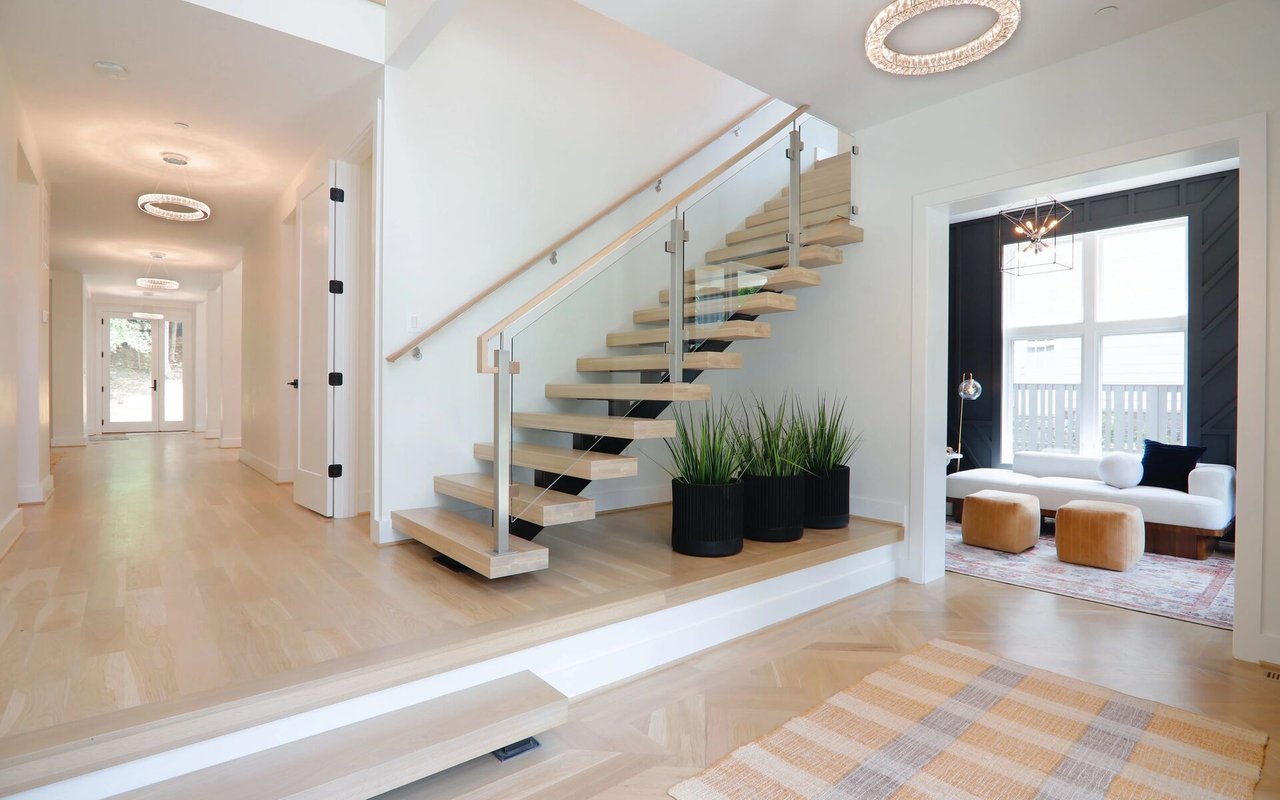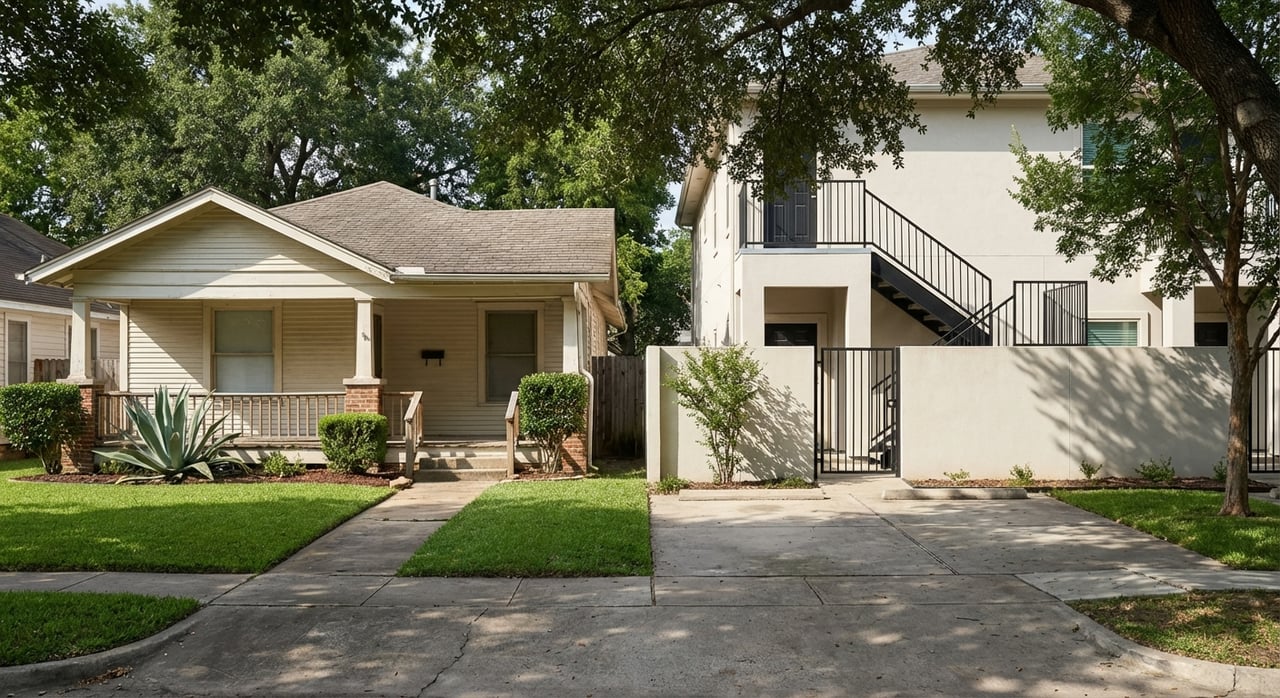
Is your next Hyde Park home a character-filled bungalow or a lock-and-leave condo? Choosing between the two shapes your daily routine, your budget, and your long-term plans. If you love tree-lined streets and central Austin convenience, you have great options here. In this guide, you’ll see how each choice stacks up on maintenance, outdoor space, parking, rules, renovations, insurance, and resale so you can move forward with confidence. Let’s dive in.
Hyde Park at a glance
Hyde Park sits in central Austin with a locally designated Historic District and a mix of early 1900s bungalows and later infill. You’ll find everything from compact condos to renovated single-family homes. Prices vary widely because the neighborhood is small and the mix of homes sold in any given month can swing the numbers. The key is to compare by property type and use recent, close-in comps rather than relying on a single neighborhood median.
Maintenance and monthly costs
Bungalow: hands-on care and planning
Many Hyde Park bungalows were built in the 1910s–1930s. Age adds charm, and it can mean older systems that need attention over time. A common planning rule for single-family homes is to set aside roughly 1 to 3 percent of the home’s value per year for maintenance, with older homes trending higher. Use this as a baseline, then refine with a home inspection and contractor bids. You can read more about typical maintenance budgeting in this overview of the 1 to 3 percent rule from a national homeowner guide. Learn about annual home maintenance budgeting.
Condo or townhome: fewer chores, HOA dues
In a condo, the association usually handles exterior systems, roofs, common-area landscaping, and building insurance for shared elements. In exchange, you pay monthly dues and you share the risk of special assessments for big projects. Dues vary by building and amenities. Before you buy, review the HOA’s budget, reserve study, recent meeting minutes, and insurance coverage so you understand what is covered and what is not. Get a plain-English primer on HOA fees and reserves.
Outdoor space and watering rules
Bungalow: private yard and mature trees
If a private yard matters for pets, gardening, or outdoor living, a bungalow usually delivers. Hyde Park’s preservation standards value front setbacks, porches, and tree canopy, which helps the neighborhood keep its calm, green feel. Yard ownership also means you manage irrigation. Austin’s current Conservation Stage rules limit automatic irrigation schedules and can affect your water bill and landscape plans. Check Austin’s current watering restrictions.
Condo or townhome: patios and shared courtyards
Condos tend to offer balconies, small patios, or shared courtyards rather than full yards. Some townhomes include compact rear yards. If you love gardening or want larger outdoor projects, single-family homes usually fit better. Also review HOA rules for any limits on plantings, fencing, or exterior changes.
Parking and street rules
Older Hyde Park homes may rely on driveways, carports, alley access, or on-street parking. Many newer townhomes include garages. Condos often assign a covered or surface space. Because the neighborhood is near UT and central corridors, some blocks can feel busy at peak times. Austin’s Residential Permit Parking program restricts on-street parking on certain streets. Always confirm if your block participates and how visitor passes work. Review Austin’s Residential Permit Parking program.
Renovation and historic review
Bungalow: upgrades with preservation in mind
If a house is a contributing property in the Hyde Park Local Historic District, many exterior changes require review and a Certificate of Appropriateness. Demolition of contributing structures is tightly controlled, and new construction must follow district design standards. These steps shape timeline and cost, especially for additions and porch or facade changes. Start by learning the district’s standards and FAQs from the neighborhood association, then consult the City’s Historic Preservation Office for process details.
Condo or townhome: simpler interiors, HOA approvals
Interior updates inside your unit are usually more straightforward, though building rules still apply. Exterior or common-area work will require HOA approval. If the property sits within a historic district, ask whether the building or exterior alterations face local review as well.
HOA rules and short-term rentals
Condos and townhomes typically have mandatory associations that set rules for pets, exterior changes, noise, and rentals. If you plan to rent, read the CC&Rs and all amendments. In Austin, the City has tightened short-term rental oversight, including licensing and platform compliance steps. Your condo or townhome may further restrict or prohibit STRs regardless of City rules. Review both sets of requirements before you buy.
Insurance, flood, and climate checks
Hyde Park as a whole has modest flood exposure, but risk varies by address. Older homes and multifamily buildings can also see insurance cost pressure based on age, systems, and roof or envelope condition. For any property you like, check both the City’s FloodPro and FEMA’s Flood Map Service Center to understand mapped risk and whether flood insurance might be required or recommended.
For condos, request the HOA’s master insurance policy and any recent claims or premium changes. Ask how deductibles and special assessments would work after a claim so you understand your exposure.
Resale and long-term outlook
Bungalow: scarcity and character support value
Well-maintained historic bungalows in central neighborhoods tend to attract steady demand. Hyde Park’s local protections limit teardowns and help preserve streetscape, which many buyers value. Thoughtful updates that respect the original architecture usually help resale, while insensitive changes can narrow your buyer pool.
Condo or townhome: building quality matters
Condo values often track building quality, reserves, and management health. Well-run buildings with sound budgets and up-to-date roofs or envelopes tend to perform better over time than buildings with deferred maintenance. In Hyde Park, buyer demand for easy, central living can be strong, but resale timing and price usually hinge on unit condition, HOA strength, and recent comparables in the same building.
Quick profiles: which fits your life?
Choose a bungalow if you:
- Want a private yard, mature trees, and classic curb appeal.
- Plan to stay for several years and can budget for periodic system upgrades.
- Value a single-family streetscape and are comfortable with historic review for exterior changes.
Choose a condo or townhome if you:
- Prefer low-maintenance living with exterior work handled by an association.
- Want an entry point into a central neighborhood, often at a lower price point for smaller units.
- Travel often and like a lock-and-leave setup, understanding HOA rules and dues.
Your due diligence checklist
Use this list to compare any Hyde Park address you are considering.
Historic status and design standards
- Is the home in the Hyde Park Local Historic District, and is it a contributing structure? Start with the neighborhood resources and City Historic Preservation page.
- Hyde Park Historic District resources and the City’s Historic Preservation Office.
Flood and drainage
- Run the address in City FloodPro and confirm with FEMA’s map center.
- Ask your insurance advisor about premiums and whether flood insurance makes sense.
Parking and visitor access
- Check if the block uses the City’s Residential Permit Parking program, and how visitor permits work. Review RPP rules.
Inspections and costs for bungalows
- Schedule a full inspection plus specialists as needed for foundation, roof, electrical, plumbing, HVAC, and pest. Use the 1 to 3 percent annual maintenance rule as a baseline, then refine with bids. Read the maintenance budgeting guide.
HOA review for condos and townhomes
- Request CC&Rs, rules, budgets, reserve study, insurance declarations, recent minutes, and any special assessment history. Learn how HOA fees and reserves work.
Rentals and STR policy
- If you plan to rent, confirm City licensing rules and your HOA’s rental policy before you commit. See the latest local reporting on STR rules.
Ready to compare on the ground?
Seeing real homes is the fastest way to choose your path. I will tailor showings to your lifestyle, walk you through maintenance and HOA tradeoffs, and help you vet rules, permits, and long-term value with a clear, friendly process. If you want concierge-level guidance and a calm, informed experience in Hyde Park, let’s talk. Schedule your free consultation with Christine Hsu.
FAQs
What are the biggest cost differences between a Hyde Park bungalow and a condo?
- Bungalows carry direct maintenance costs that can average 1 to 3 percent of value per year, while condos trade some of that variability for monthly HOA dues and potential special assessments.
How do historic district rules affect remodeling a Hyde Park bungalow?
- Contributing homes in the Local Historic District often need a Certificate of Appropriateness for exterior changes, which adds review steps and can shape design, cost, and timeline.
Can I use a Hyde Park condo for short-term rentals like Airbnb?
- It depends on two layers of rules: Austin requires licensing and compliance, and many HOAs further restrict or prohibit STRs, so you must review both before buying.
How can I check flood risk for a specific Hyde Park address?
- Search the property in City FloodPro and confirm with FEMA’s Flood Map Service Center, then discuss insurance options based on those maps and your lender’s requirements.
What should I review in a condo HOA before I buy in Hyde Park?
- Request the CC&Rs, rules, budgets, reserve study, insurance declarations, meeting minutes, and any special assessments to gauge financial health and risk.
Are there parking permits on Hyde Park streets?
- Some nearby streets use Austin’s Residential Permit Parking program; always check your block for participation, rules, and visitor permit details before you buy.