If you are looking at Rosedale as a buy-and-hold play, the first question is not whether the neighborhood is desirable. It is. The real question is whether the numbers, property condition, and exit options support your timeline and risk tolerance. In this guide, you will get a clear, grounded look at what makes Rosedale attractive, where the pressure points are, and how to think about a smart long-term hold in this central Austin neighborhood. Let’s dive in.
Rosedale has long-term appeal
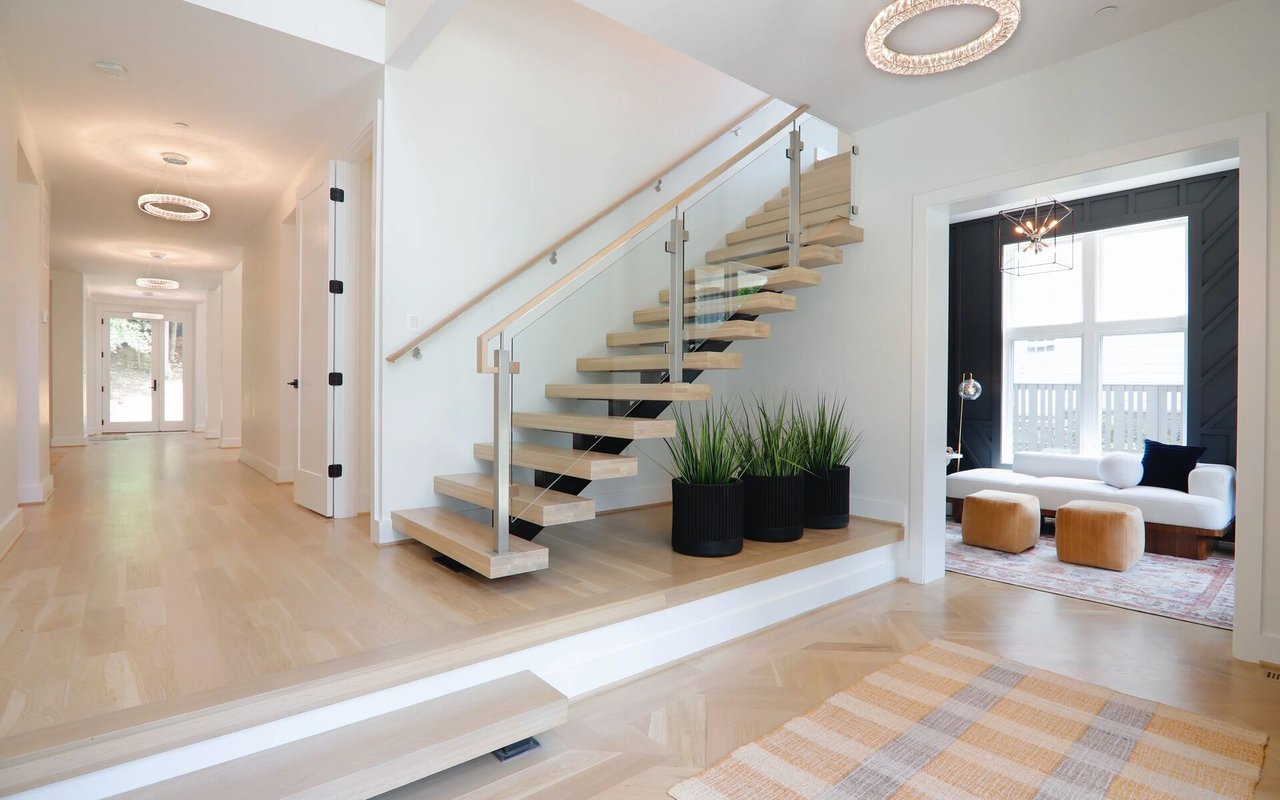
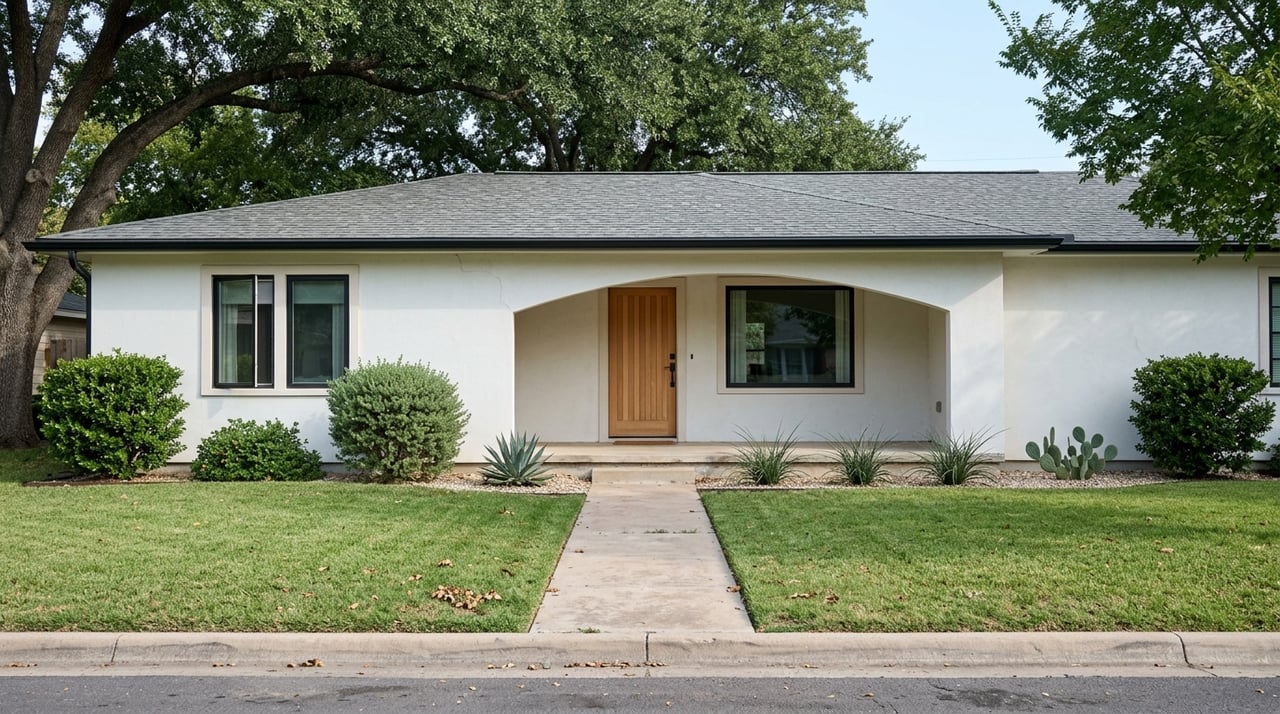
Rosedale stands out because it is a small, established central Austin neighborhood with a residential pattern that dates largely from the 1920s through the 1940s. The housing mix includes modest 1930s homes, bungalows, Tudor Revival properties, and newer infill or replacement construction. For many investors, that kind of mature neighborhood fabric supports lasting demand over time.
Location also matters here. Rosedale sits within a well-defined central Austin area bounded by major streets and corridors, which helps explain why values remain well above broader Austin price levels. If you are targeting a hold in a neighborhood with durable buyer and renter interest, Rosedale checks that box.
Premium pricing changes the math
The biggest thing to understand about Rosedale is that it trades at a premium. In April 2026, public market trackers placed the neighborhood around the low-$1 million range for median sale or list price, while Austin’s citywide median home price was $573,750. That puts Rosedale roughly 1.5 to 1.8 times higher than the broader Austin market by public value measures.
That premium can be a strength, but it also raises your entry basis. When you buy into a high-priced neighborhood, you usually need a longer timeline and more disciplined underwriting. It becomes harder to rely on rent alone to justify the purchase.
Appreciation looks more realistic than cash flow
For many investors, this is the key takeaway. Public rent and value trackers suggest Rosedale’s rough gross rental yield is only about 2.7% to 3.0% before taxes, insurance, maintenance, vacancy, and management. By comparison, Austin’s citywide rough gross yield is closer to 4.5% using April 2026 public median figures.
That gap matters. It suggests Rosedale is generally better suited to an appreciation-oriented hold, a value-add strategy, or a property you may later reposition and resell. If your main goal is strong current cash flow from day one, Rosedale may be a tougher fit.
Rental demand is real, but rents vary
Rosedale does have an active rental market. Public sources show meaningful renter presence, with RentCafe reporting 53% renter-occupied households. That supports the case that the neighborhood is not dependent only on owner-occupant demand.
At the same time, rent figures vary by source. Reported average or median rents range from about $1,686 to $2,400 depending on property type and methodology. Rather than chasing one headline number, it is smarter to treat rent expectations conservatively and evaluate each property on its own layout, condition, parking, and location within the neighborhood.
Older homes create both upside and risk
Rosedale’s older housing stock is part of its appeal, but it also creates real investor work. City commentary points to small lots, narrow driveways, few garages, fewer sidewalks, earlier drainage problems, and recurring concerns around traffic, parking, infill, historic homes, and pedestrian safety. Those details can directly affect renovation cost, tenant appeal, and resale positioning.
In practical terms, your success may depend as much on drainage review, parking functionality, and system updates as on countertops or cosmetic finishes. An older home in a premium neighborhood can produce strong long-term value, but only if you respect the physical constraints of the asset.
Why demand still looks durable
Even with mixed pricing signals, Rosedale still shows signs of market durability. Redfin characterized the neighborhood as somewhat competitive, with some homes receiving multiple offers and average sales taking about 44 days to go pending. In April 2026, public trackers also showed homes selling with a median of 53 days on market.
That is not a fast-flip environment, and it should not be treated like one. But it does suggest that well-priced, well-presented properties can still attract buyers. For a long-term investor, that kind of resale liquidity is important.
Mixed price data means underwrite carefully
One challenge in a small neighborhood like Rosedale is that data can look noisy. In April 2026, public sources showed very different year-over-year readings, including gains on one tracker and declines on others. The safest conclusion is not that one source is right and the others are wrong. It is that values remain elevated, but short-term direction is harder to read with confidence.
That matters because small submarkets can swing based on a limited number of sales, property type differences, and one-off high-price transactions. If you are evaluating a long-term hold, it is better to use cautious appreciation assumptions than to build your strategy around a quick rebound.
Best value-add moves in Rosedale
In a neighborhood like this, selective improvements usually make more sense than dramatic overhauls. Based on the housing stock and physical conditions described in city materials, the most defensible upgrades are often:
- Exterior condition and curb appeal
- Kitchen and bath modernization
- Mechanical system updates
- Functional parking improvements where feasible
- Better circulation or layout efficiency
That approach helps you improve livability and resale appeal without over-improving beyond what the local buyer pool may reward. In Rosedale, practical upgrades often matter just as much as luxury finishes.
Small-lot infill may create future options
Austin’s HOME amendments have broadened some possibilities for certain single-family-zoned properties by allowing up to three housing units on some sites and easing some small-lot development rules. For investors, that introduces potential upside in the form of an ADU, duplex, or modest infill strategy on qualifying properties.
Still, this is not something to assume at a glance. The city also notes drainage and infill review considerations for residential projects. Before you count on added units or redevelopment, you need to confirm zoning, lot size, drainage, and permit requirements for the specific property.
Smart exit strategies for investors
Rosedale tends to fit investors who want flexibility more than investors who want immediate high yield. The most likely exit paths include:
- Holding as a long-term rental if your acquisition basis works
- Renovating for a future owner-occupant sale
- Pursuing modest infill or redevelopment where site conditions allow
That flexibility is part of the neighborhood’s appeal. You are buying into a premium central Austin location with multiple potential paths, but each path depends on disciplined acquisition and realistic renovation planning.
So, is Rosedale a smart long-term hold?
For the right investor, yes. Rosedale looks strongest as a long-term hold when you value central Austin location, durable demand, and future repositioning potential more than immediate cash flow. It is better suited to appreciation-minded buyers, patient renovators, or owners who want a premium asset with optionality.
The caution is just as important as the opportunity. High entry prices, older housing stock, physical site constraints, and mixed short-term pricing signals all argue for conservative underwriting. If you buy well, plan for capital expenditures, and match the property to the right strategy, Rosedale can make sense as a long-term hold.
If you want help evaluating a specific Rosedale property, building a realistic hold strategy, or comparing it to other central Austin neighborhoods, Christine Hsu offers concierge-level guidance for buyers, sellers, and investors across Austin.
FAQs
Is Rosedale in Austin a good cash-flow neighborhood for investors?
- Rosedale appears better suited to appreciation-oriented or value-add holds than to pure cash-flow investing, because public rent-to-price ratios suggest relatively low gross rental yields.
Are Rosedale home prices high compared with Austin overall?
- Yes. Public April 2026 data placed Rosedale around the low-$1 million range by median sale or list price, versus Austin’s citywide median home price of $573,750.
What are the main risks of buying an older Rosedale property?
- Common risks include higher capital expenditure needs, possible system replacements, small lots, narrow driveways, parking limitations, and drainage-related review considerations.
Can you add more units to a Rosedale property?
- Some properties may have added flexibility under Austin’s HOME amendments, but you need to verify zoning, lot size, drainage, and permit requirements before assuming an ADU, duplex, or small infill plan will work.
Is Rosedale a good neighborhood for resale later?
- Rosedale shows signs of durable demand and resale liquidity, with public data indicating a somewhat competitive market where some homes still receive multiple offers when priced and presented well.