Wondering which backyard upgrades actually make sense in Rosedale? In Central Austin, outdoor living can add real day-to-day enjoyment, but the best choices are the ones that handle heat, save water, and still look polished when it is time to sell. If you want a yard that feels comfortable, practical, and appealing in this part of Austin, here is what to focus on. Let’s dive in.
Why outdoor living matters in Rosedale
In Rosedale, outdoor spaces are not just a bonus. They often function like an extra living area for morning coffee, casual dinners, and relaxed evenings at home.
That said, Austin weather shapes every smart design decision. According to the National Weather Service climate data for Austin-Bergstrom, July's normal high is 96.1°F, which makes shade one of the most important comfort upgrades you can add.
Water use matters too. Austin Water notes that the city has permanent year-round conservation watering restrictions, including once-per-week irrigation, so landscapes that need less water tend to be easier to maintain over time.
Start with shade first
If you only make one outdoor upgrade, make it shade. In a hot Central Texas summer, shade changes how often you actually use your yard.
The City of Austin's native tree growing guide for Central Texas says properly placed deciduous shade trees on the south and west sides of a home can help shade roofs and walls in summer and support energy conservation. That makes trees one of the most functional and visually appealing upgrades you can invest in.
Best tree choices for Central Texas
Native and adapted trees usually make the most sense because they generally need less watering and fit Austin conditions better. The city's guide highlights options such as:
- Texas redbud
- Mexican plum
- Lacey oak
- Texas pistache
- Texas persimmon
- Anacacho orchid tree
- Mexican buckeye
- Desert willow
These trees can add structure, seasonal interest, and a more established feel to a yard without relying on a high-maintenance planting plan.
Pergolas and screened porches
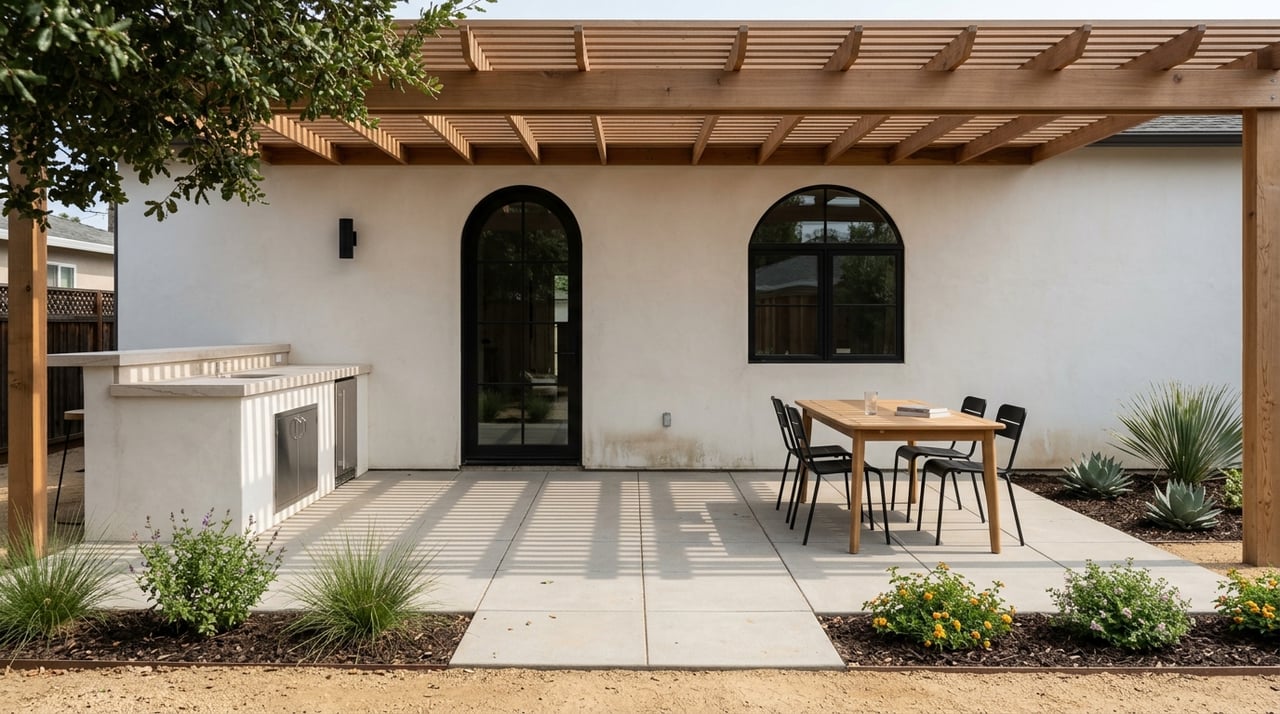
If you want a faster shade solution, a pergola or screened porch can extend the useful life of your outdoor space. The National Association of Realtors outdoor features report notes that screened-in porches and pergolas remain appealing because they provide shade, insect protection, and a longer outdoor season.
For many Rosedale homeowners, this is the sweet spot between comfort and resale appeal. It creates an intentional outdoor room without overbuilding the yard.
Choose plants that can handle Austin conditions
A beautiful yard in Rosedale should not require constant watering or intensive upkeep to look good. Central Texas landscapes often deal with alkaline soil, clay, caliche, drought, heat, and flash floods, according to Texas A&M AgriLife information cited in the research.
That is why native and adapted plants tend to perform better here. Austin's Grow Green plant guide was created for plants that are naturally drought tolerant and resistant to common pests and diseases.
Low-water plants that show well
A water-wise planting palette can still feel colorful and layered. The city's guidance includes attractive, lower-water options like:
- Cenizo
- Texas lantana
- Turk's cap
- Blackfoot daisy
- Purple coneflower
- Big muhly
- Mexican feathergrass
- Texas betony
- Desert willow
For shadier parts of the yard, the city also recommends plants such as Turk's cap, white mistflower, and American beautyberry.
Reduce turf where it makes sense
Large thirsty lawns are often harder to maintain under Austin's watering rules. Reducing turf in favor of native or adapted planting beds, mulch, and defined gathering areas can make a yard look more intentional while also lowering water demand.
Austin also offers a WaterWise Landscape rebate of up to $1,750 for qualifying turf-to-native or adapted bed conversions. For homeowners planning a landscape refresh, that can be a helpful incentive.
Use modest hardscape for comfort and resale
In Rosedale, the most successful outdoor spaces usually feel easy, not overdone. A clean patio, a comfortable seating area, and room for outdoor dining often appeal to a broad range of buyers and support everyday use right now.
According to the NAR 2023 Outdoor Features report, estimated cost recovery was 95% for a new patio, 89% for a new wood deck, and 100% for an overall landscape upgrade. That suggests practical, well-executed improvements can support both lifestyle and resale value.
What tends to be a safer bet
If you are updating with resale in mind, these features are usually more flexible and widely appealing:
- A simple patio or deck
- Comfortable seating zones
- Outdoor dining space
- A basic grill area
- Well-placed landscape lighting
- Healthy, well-maintained mature trees
The same NAR report found tree care had an estimated 87% cost recovery, which reinforces how valuable mature canopy can be in Austin.
What to think through carefully
Highly customized outdoor kitchens can be attractive, but they are more specialized than a basic patio-and-seating setup. Fire features can add ambiance, but NAR's report estimated lower cost recovery for fire features than for patios, decks, or broader landscape improvements.
If your goal is broad market appeal, simpler upgrades often deliver a better balance of enjoyment and flexibility.
Pick materials that fit Austin weather
Materials matter in a hot climate. Surfaces that absorb too much heat or create drainage problems can make a yard less comfortable and more expensive to maintain.
Austin's Sun and Color guidance recommends practical choices like mulch, drip or bubbler irrigation where needed, reduced turf, and pervious hardscape such as stone without mortar or pervious concrete. These choices can help outdoor spaces feel more natural while supporting better water management.
Why pervious surfaces help
Pervious hardscape allows water to move through or around the surface more easily than fully impervious materials. In a region that can swing from drought to intense rainfall, that can be a smart design move.
It also supports a softer, more established look that often fits Rosedale homes well.
Check permits and drainage before you build
Before starting a deck, pergola, patio, or other exterior project, it is worth confirming what the City of Austin requires. The city's residential permit page directs homeowners to check Development Services guidance for construction and exterior work.
Some small detached decks may be exempt, but that does not apply to every structure. The city notes that detached decks no more than 200 square feet and no more than 30 inches above grade can be exempt, while larger or attached structures still need a permit check.
Impervious cover affects more than design
Patios and other impervious surfaces can count toward impervious cover, which can affect stormwater charges. The city also notes that uncovered wood decks or unpaved driveway sections may reduce the bill in some cases.
This is one reason thoughtful planning matters before you commit to materials or layout. A design that looks great on paper still needs to work with Austin rules and site conditions.
Keep maintenance part of the plan
The best outdoor upgrades are the ones you can realistically maintain. In Austin, that usually means preserving tree health, managing irrigation carefully, refreshing mulch, and choosing plants that can handle local conditions without constant intervention.
Austin Water offers a free irrigation check-up, along with programs tied to water-wise landscaping, rainwater harvesting, and rainscape projects. If you are investing in your yard, using those resources can help you make smarter long-term choices.
What stands out most in Rosedale
For many Rosedale homes, the outdoor upgrades that shine are not the flashiest ones. They are the spaces that feel cool, comfortable, and easy to use in real life.
That often means a layered approach: mature or well-placed shade trees, a modest patio or deck, low-water plantings, and materials that respect Austin's climate and water rules. It is the kind of update that improves daily living now and can still read well to future buyers.
If you are thinking about which improvements make the most sense for your home in Rosedale, Christine Hsu can help you think through what fits your property, your goals, and today’s Austin market.
FAQs
What outdoor upgrades add the most comfort in Rosedale?
- In Rosedale, shade upgrades usually make the biggest difference, especially shade trees, pergolas, and screened porches that help make outdoor areas more usable during Austin's hot months.
What landscaping works best for Rosedale homes?
- Native and adapted plants from Austin's Grow Green guidance, along with mulch, reduced turf, and efficient irrigation, are often strong choices because they are better suited to local heat, soil, and watering restrictions.
What outdoor projects tend to help resale in Rosedale?
- Basic, well-designed improvements such as patios, decks, overall landscape upgrades, tree care, and inviting outdoor seating areas tend to be more resale-friendly than highly customized features.
What should homeowners check before building a patio or deck in Austin?
- You should review City of Austin permit guidance, since some exterior projects may require permits and certain surfaces can also affect impervious cover and stormwater charges.
Are there Austin rebates for water-wise yard upgrades?
- Yes, Austin offers rebates and support for qualifying water-wise improvements, including WaterWise Landscape projects, irrigation check-ups, rainwater harvesting, and related programs.