Thinking about a move in Rosedale but unsure how inventory, prices, and timing line up right now? You’re not alone. With a small, diverse housing stock and steady demand, Rosedale can shift quickly, which makes it hard to read the market at a glance. In this guide, you’ll learn how to interpret inventory, prices, and days on market in a way that fits your price point and goals, plus the practical steps to take next.
Let’s dive in.
How we define Rosedale for this snapshot
Rosedale sits in central Austin, north of downtown, with boundaries that vary by source. A commonly used area is roughly between Lamar Blvd on the west and I-35 on the east, stretching from about 38th Street to around 51st Street. Small boundary changes can swing the numbers because the neighborhood has few monthly sales and a mix of bungalows, mid-century homes, and infill new builds.
When you compare reports, check how each source maps Rosedale. A different polygon can change medians, days on market, and months of inventory.
What drives demand and supply here
Rosedale’s appeal is rooted in proximity to downtown, the University of Texas, the medical district, and major employment corridors. Many buyers also value walkability and access to Austin ISD schools that serve the area. On the supply side, there is limited vacant land and permitting timelines can be lengthy, so active inventory often runs lower than in suburban markets. Infill and new construction can lift average prices when demand is strong.
The key metrics to watch
For a clear picture, use rolling 3-, 6-, and 12-month views. Because sample sizes can be small, always note counts.
- Active inventory. Snapshot of current supply.
- New listings and pendings. Reveal velocity and momentum.
- Closed sales and median sale price. Core demand and pricing signals.
- Sale-to-list price ratio. Final sale divided by original list price. Over 100 percent points to bidding pressure.
- Days on market. How fast homes go under contract.
- Months of inventory. Active listings divided by the average monthly closings.
- Under 3 months suggests a seller’s market.
- Around 3 to 6 months suggests a balanced market.
- Over 6 months suggests a buyer’s market.
- Median price per square foot. Useful for cross-neighborhood comparisons.
- Share of sales above list price. A quick read on competition intensity.
- New construction share. New builds often carry a premium and can lift medians.
Inventory and absorption: what they signal
Months of inventory (MOI) ties supply to buyer activity. If MOI stays below 3 with multiple pendings per new listing, you can expect faster decisions and fewer negotiation opportunities for buyers. If MOI rises toward 4 to 6, the market tends to balance, creating more room for concessions, inspection credits, or price adjustments.
Watch month-over-month shifts. A steady climb in MOI alongside longer days on market usually favors patient buyers. A drop in MOI, a higher pending-to-new-listing ratio, and more sales over list often indicate a window for confident sellers and quick-acting buyers.
Prices and sale-to-list dynamics
Median sale price and median price per square foot help you anchor expectations, but remember that in Rosedale a single high-end new build can skew short-term medians. That is why rolling windows and price-band comparisons matter.
Sale-to-list ratio based on the original list price tells you about negotiation pressure. If medians push up toward or above 100 percent with short days on market, be ready for multiple-offer situations in certain bands. If ratios hover near 98 to 100 percent with balanced MOI, buyers can often negotiate on price or terms while sellers still need sharp pricing and polished presentation.
Time on market by price band
Rosedale’s marketing time varies by price and product type. To make the numbers meaningful, group activity into practical bands and include sample sizes. Here is a simple framework you can use in your analysis:
- Entry band. Below the local median. Example structure: up to about 1 million. Often the fastest-moving segment with the widest buyer pool.
- Middle band. Around the median to roughly 1.5 times the median. Example structure: about 1 million to 1.75 million. Marketing time depends on condition, layout, and location within the neighborhood.
- Upper band. Above roughly 1.5 times the median. Example structure: above about 1.75 million. These homes can require longer exposure and targeted marketing.
Always note the number of closings per band in the last 3 to 6 months so you know whether a median or ratio is based on a handful of sales or a fuller data set.
Seasonality: when attention peaks
In many Austin neighborhoods, buyer activity is strongest from February through May. Listing in late winter or spring can maximize exposure. Late fall and winter often bring fewer active buyers, which can create negotiation space for buyers and a thinner competitive set for sellers. If you are selling during slower months, plan for standout presentation and pricing that reflects current absorption.
Practical timing strategies for sellers
When data points to tight supply and strong sale-to-list ratios:
- Price with the market. Use a pre-listing analysis based on the original list price metric and nearby comps in your band.
- Prepare for speed. Stage, pre-inspect, and line up disclosure documents so buyers can move quickly and cleanly.
- Plan logistics. Have options for a quick close or short leaseback so you maintain leverage.
When MOI rises and days on market stretch:
- Get competitive. Price to current absorption and be ready to discuss closing cost credits or rate buydowns.
- Upgrade presentation. Professional photos, staging, video, and targeted distribution help you stand out.
- Stay flexible. Offer convenient showing windows and respond quickly to feedback and offers.
Band-specific tips:
- Entry band. Small price changes can trigger big shifts in traffic. Keep presentation crisp and pricing clear.
- Middle band. Highlight functional upgrades and floor plan flow.
- Upper band. Expect longer lead times and focus on differentiation, including lot, finishes, and privacy. Consider outreach to out-of-area buyers.
Practical timing strategies for buyers
In a competitive stretch:
- Be fully prepared. Secure a strong pre-approval with rate-lock options and have funds ready for earnest money.
- Move decisively. Tour quickly and write clean offers that limit non-essential contingencies when appropriate.
- Use comps wisely. Compare like-with-like, especially when a new build or major remodel is in the mix.
In a balanced or slower stretch:
- Negotiate with data. Lean on recent DOM trends and sale-to-list ratios in your band.
- Ask for credits. Explore closing cost help or repair credits.
- Keep protections. Appraisal and inspection contingencies can be valuable when leverage improves.
Band-specific tips:
- Entry band. Expect competition with first-time buyers and investors. Have a clear ceiling and consider escalation language carefully.
- Middle and upper bands. You may have more room to negotiate on price or terms, especially if DOM is trending up.
How new builds affect comps
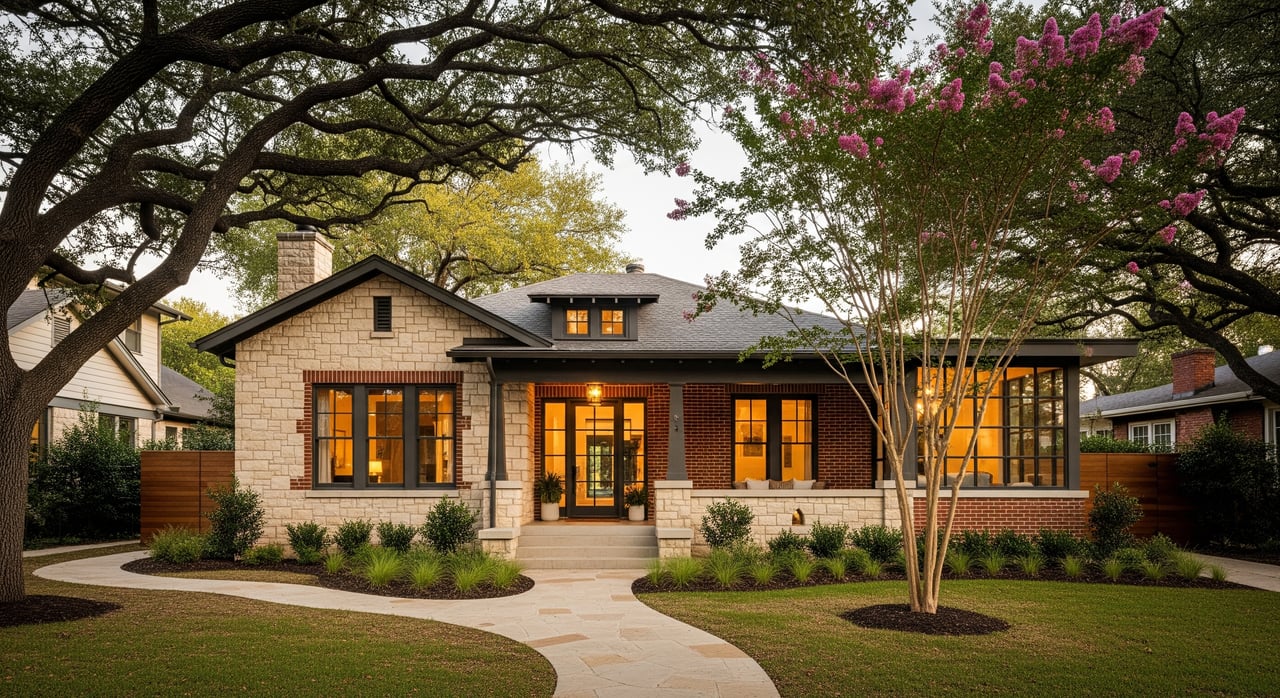
Infill construction is part of Rosedale’s landscape. New homes often sell at a premium price per square foot compared with older bungalows or mid-century properties. When valuing or offering, compare like-with-like by year built, condition, size, and lot characteristics to avoid skewed expectations.
Reading Rosedale data with care
Because Rosedale has relatively few sales in short windows, a single transaction can swing medians and ratios. Use rolling 3-, 6-, and 12-month views and always report sample sizes. Clarify whether sale-to-list metrics reflect the original list price or the final list after reductions. Track the ratio of pendings to new listings for real-time momentum, and watch mortgage rate direction because even small rate moves can influence urgency and competition.
A quick checklist to get ready
For sellers:
- Request a pre-listing pricing analysis and a net sheet with estimated costs.
- Consider a pre-listing inspection to surface fixable items.
- Stage key rooms and improve curb appeal.
- Prepare flexible closing and leaseback options.
For buyers:
- Secure pre-approval with rate-lock features and know your monthly comfort zone.
- Review recent comps and DOM patterns in your band.
- Set your earnest money plan and discuss contingencies with your lender and agent.
- Watch MOI and pending trends to time offers.
Your next step
Every home and price band behaves a little differently in Rosedale. If you want a clean, current read on inventory, prices, and timing tailored to your address or search budget, get a hyperlocal data pull and a plan that fits your goals. To start a conversation, connect with Christine Hsu for a concierge consultation.
FAQs
Is now a good time to sell my Rosedale home?
- It depends on your price band and current absorption; if months of inventory is under 3 with strong sale-to-list ratios, listing soon can be advantageous, while higher MOI favors sharper pricing and patience.
How long will a Rosedale home take to sell?
- Days on market vary by band and condition; entry-level homes often move faster, while upper-tier or unique properties typically need longer exposure, so use rolling 3 to 6 month DOM with sample counts.
Will I get over asking in Rosedale?
- Homes sell over list most often when sale-to-list ratios exceed 100 percent and MOI is tight; your odds improve with standout presentation and pricing aligned to recent comps in your band.
What is the best time of year to list in Rosedale?
- Late winter through spring usually brings the most buyer attention, while late fall and winter can mean fewer active buyers but less listing competition.
How do new builds influence pricing and appraisals?
- New construction often carries a higher price per square foot; compare like-with-like and separate new-build comps from older renovated homes to avoid inflated or deflated expectations.
What should I do first if I’m buying in Rosedale?
- Get pre-approved with a lender, review recent comps and DOM patterns in your band, and be ready to act quickly if pending activity outpaces new listings.