If you want room to breathe without feeling far from Austin, West Lake Hills stands out fast. This small city offers a quieter, more private setting shaped by hills, trees, and winding roads, yet it sits only about six miles west of downtown. If you are wondering whether the lifestyle matches what you want day to day, this guide will walk you through the setting, housing, outdoor access, commute patterns, and overall feel. Let’s dive in.
West Lake Hills at a glance
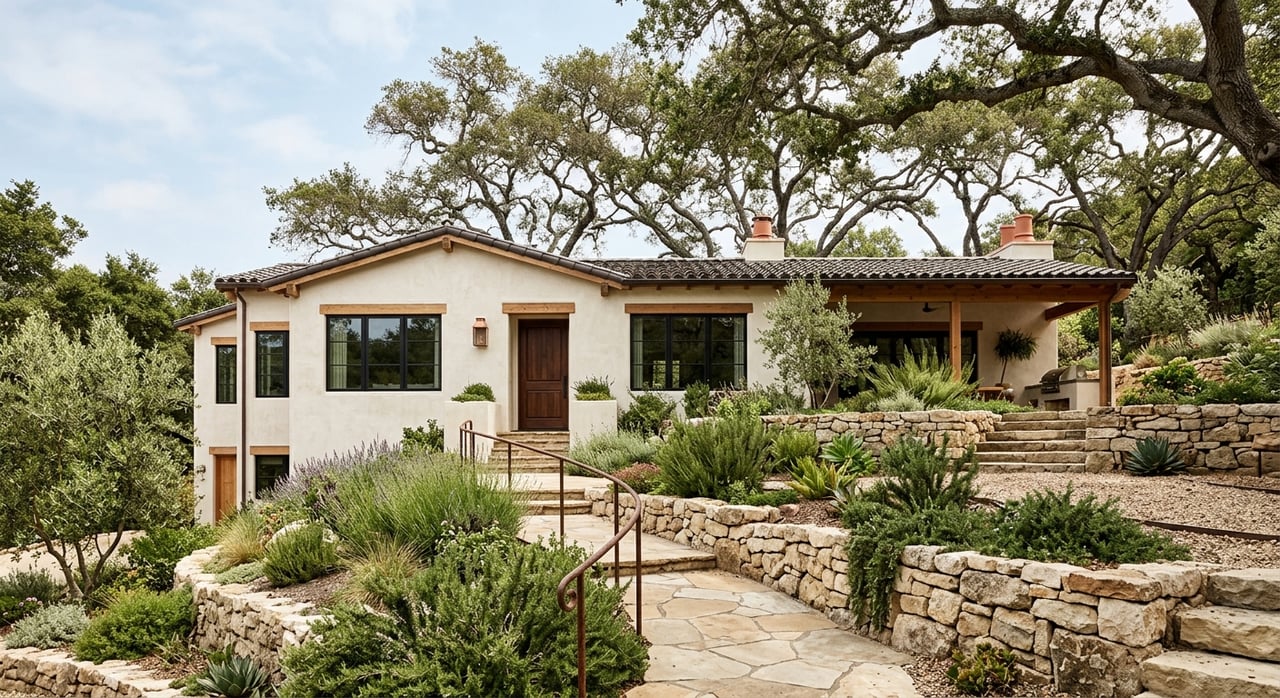
West Lake Hills sits on the west bank of Lake Austin along the Balcones Escarpment in Travis County. The city describes itself as a wooded, low-density place with rugged terrain, scenic views, dense foliage, creeks, wildlife, and a strong focus on privacy and preserving rural character.
That description is not just branding. It shows up in the way the area looks and feels when you drive through it. Mature trees, hillside topography, and homes set back from the road create a landscape that feels more tucked away than many neighborhoods this close to central Austin.
The overall feel of daily life
Living in West Lake Hills often means trading a traditional suburban grid for a more natural, less uniform setting. Instead of block-after-block repetition, you get curving roads, elevation changes, and homes that feel integrated into the terrain.
For many buyers, the appeal comes down to privacy, greenery, and breathing room. The city places a strong emphasis on preservation, including tree protections that help maintain the landscape-first character many residents value.
If you prefer a denser, highly walkable urban environment, West Lake Hills may feel quieter and more spread out than what you want. If you like the idea of being close to Austin while coming home to a more secluded setting, this area tends to fit that lifestyle well.
Homes and lot sizes in West Lake Hills
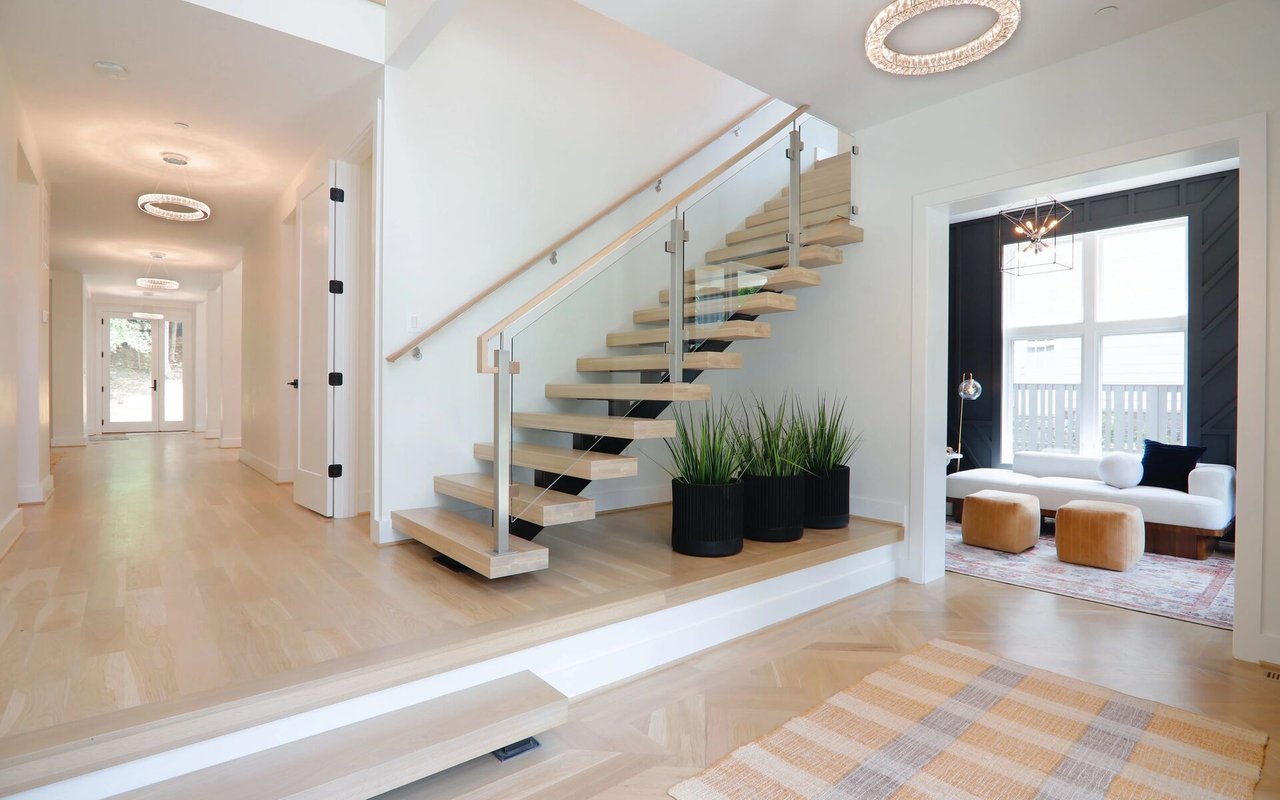
Housing in West Lake Hills is primarily single-family residential. A 2023 city and Texas A&M Forest Service assessment notes that homes range from modern architecture to mid-century ranch styles, often on lots from about half an acre to more than five acres.
That lot pattern shapes the experience of living here. Many properties include mature native trees, creek corridors, and setbacks from the road, which adds to the sense of space and separation between homes.
In practical terms, West Lake Hills often feels less like a typical subdivision and more like a collection of private hillside residences. If you are looking for custom homes, estate-style properties, or a setting with a stronger connection to the land, this is a key part of the area’s identity.
Why privacy is a major draw
Privacy is one of the biggest reasons buyers look at West Lake Hills. The combination of low-density planning, larger lots, natural topography, and dense foliage can create a more sheltered living environment than you will find in many closer-in Austin neighborhoods.
That does not mean every home feels isolated. It means the area is designed in a way that often gives you more visual separation, more natural screening, and a calmer atmosphere.
For lifestyle-focused buyers, that can be a major advantage. You may be able to enjoy views, outdoor living space, and a stronger sense of retreat while still staying connected to the city.
Outdoor access is part of the lifestyle
If you enjoy spending time outside, West Lake Hills offers strong access to some of the Austin area’s best-known natural spaces. Outdoor recreation is not just nearby. It is part of what defines the area.
Barton Creek Greenbelt access
The Barton Creek Greenbelt offers more than 12 miles of trails, swimming holes, and rugged limestone terrain. For residents who like hiking, trail running, or simply getting into nature without a long drive, that access adds real lifestyle value.
Wild Basin Wilderness Preserve
Wild Basin Wilderness Preserve protects 227 acres and includes 2.5 miles of trails through woodland, grassland, and streamside habitat. It gives you another nearby option for a quieter outdoor experience with varied terrain and native landscapes.
Lake and shoreline options nearby
Lady Bird Lake and Red Bud Isle are also close enough to support an active routine. Whether you enjoy running, paddling, or shoreline time, these nearby destinations expand your options beyond the hillsides and trails around West Lake Hills.
Loop 360 as a recreation route
Loop 360 is known as a commuter corridor, but it also serves as a recreational bike route with access to Lake Austin and Travis County greenbelts. For active residents, that mix of transportation and recreation is part of everyday life in this part of Austin.
Shopping and dining nearby
West Lake Hills is not built around a large, dense commercial core, but everyday conveniences are close by. Shopping, errands, and casual dining tend to cluster along Bee Cave Road, also known as RM 2244, and the nearby Loop 360 corridor.
The city brochure identifies the Village at Westlake Shopping Center as part of the local shopping and dining mix. Commercial spaces in the area also include boutique and specialty retail at West Lake Court near Bee Cave Road and Westbank Drive, along with high-end retail and restaurant space in Westbank Retail.
For casual food and coffee options nearby, examples in the area include Kerbey Lane Westlake and Summer Moon. In day-to-day terms, you can usually handle common errands and meals close to home, even though the overall setting remains primarily residential.
What the commute feels like
One of West Lake Hills’ strongest advantages is proximity to central Austin. Downtown is only about six miles away, which makes the location appealing if you want easier access to the city without living in a dense urban neighborhood.
Still, local commuting is very route-dependent. Residents commonly rely on Bee Cave Road, Loop 360, and MoPac to reach downtown and central Austin.
TxDOT describes Loop 360 as a primary access route for far west Austin and a commuter corridor connecting US 183 and US 290/SH 71. It also notes that traffic slows noticeably during rush hour, which is important to keep in mind if your schedule depends on predictable travel times.
Bee Cave Road also matters to daily mobility, and TxDOT has identified it as a busy corridor with ongoing mobility and safety improvements between Redbud Trail and Walsh Tarlton Lane. If you are considering a move here, it helps to think about commute timing as much as commute distance.
Who West Lake Hills tends to suit
West Lake Hills tends to appeal most to buyers who want a strong sense of place. If you are drawn to mature trees, hillside views, low-density surroundings, and quick access to Austin, this area often checks those boxes.
It can be a strong fit for people who value home privacy and a landscape-driven setting more than a highly urban lifestyle. Buyers who like custom homes, larger lots, and a quieter feel often find West Lake Hills especially compelling.
At the same time, the area may be less ideal if your top priority is a tight street grid, a dense retail core, or a neighborhood where most daily errands happen on foot. The real lifestyle advantage here is the balance between natural setting and city access.
What makes West Lake Hills distinct
Many Austin-area neighborhoods offer convenience. Fewer offer convenience paired with a wooded, hillside environment that feels this private and established.
That is what makes West Lake Hills stand out. The city’s emphasis on preservation, rural character, and natural resources shapes not just the appearance of the area, but the rhythm of living there.
If your ideal home life includes a little more quiet, a little more land, and a closer relationship to the outdoors, West Lake Hills offers a very specific kind of Austin-area lifestyle. It is less about constant activity at your doorstep and more about space, scenery, and a calm return home.
If you are exploring West Lake Hills and want help comparing streets, lot patterns, commute tradeoffs, or resale potential, Christine Hsu offers concierge-level guidance with a local, thoughtful approach.
FAQs
What is West Lake Hills like compared with central Austin?
- West Lake Hills generally feels quieter, lower density, and more private than central Austin, with wooded hillsides, larger lots, and quick access to downtown.
What types of homes are common in West Lake Hills?
- West Lake Hills is primarily made up of single-family homes, including modern and mid-century ranch-style properties, often on half-acre to 5+ acre lots.
Is West Lake Hills a good fit if you want outdoor access?
- Yes, West Lake Hills offers convenient access to the Barton Creek Greenbelt, Wild Basin Wilderness Preserve, Lake Austin area routes, Lady Bird Lake, and Red Bud Isle.
What is shopping and dining like in West Lake Hills?
- Everyday shopping and dining are concentrated along Bee Cave Road and Loop 360, with a mix of shopping centers, boutique retail, restaurants, and casual coffee spots nearby.
How is the commute from West Lake Hills to downtown Austin?
- West Lake Hills is about six miles west of downtown Austin, but commute times can vary because Bee Cave Road, Loop 360, and MoPac are busy corridors that often slow during rush hour.